Affiliate disclosure: WattList may earn a commission when you buy through links on this page (ShareASale, Impact, Amazon Associates, and similar). Commissions do not change the recommendation: we pick by weight, Wh, solar recovery, and how annoying the unit is to live with at camp. Specs move — verify before you buy.
Weekend camping is the use case that exposes marketing fluff. You care about whether the fridge stays cold Saturday night, whether you can recharge from a foldable panel on Sunday, and whether you swear at a 37 lb brick when packing out.
This comparison sticks to the three brands most people actually shortlist — Jackery, EcoFlow, and Bluetti — in the sizes that make sense for car camping and short overlanding, not whole-home backup.
Short version
| If you care most about… | Buy | De-prioritize |
|---|---|---|
| Lightest ~1 kWh | Jackery Explorer 1000 v2 | Expandability |
| Fast recharge + AC headroom | EcoFlow DELTA 3 | Absolute lightest |
| Most Wh / $ | Bluetti AC180 | Ultralight packing |
| Tiny / day loads | EcoFlow RIVER class | Full-size fridge weekend |
Jackery Explorer 1000 v2 · EcoFlow DELTA 3 · Bluetti AC180 · EcoFlow RIVER 3
What “weekend camping” actually needs
Assume a typical car-camping power budget:
- 12V compressor fridge (average draw often ~30–60 W depending on ambient and duty cycle)
- Phones, headlamps, camera batteries
- Optional: laptop work block, small blender / kettle (spikes matter), LED string lights
- Optional: CPAP overnight — check your device wattage and talk to the manufacturer about DC options and humidifier draw; we make no medical claims
Rough math: fridge-dominant weekends often want 700–1,200 Wh of battery if you are not solar-recharging mid-trip. Under ~500 Wh you are in “phones + lights + short fridge” territory. Over ~2 kWh you are paying for multi-day or RV-adjacent loads.
Solar tip: one 200 W foldable panel in real camp conditions rarely delivers brochure watts. Plan recovery with humility.
Contenders we are comparing
Jackery — Explorer 1000 v2 (primary) + SolarSaga ecosystem
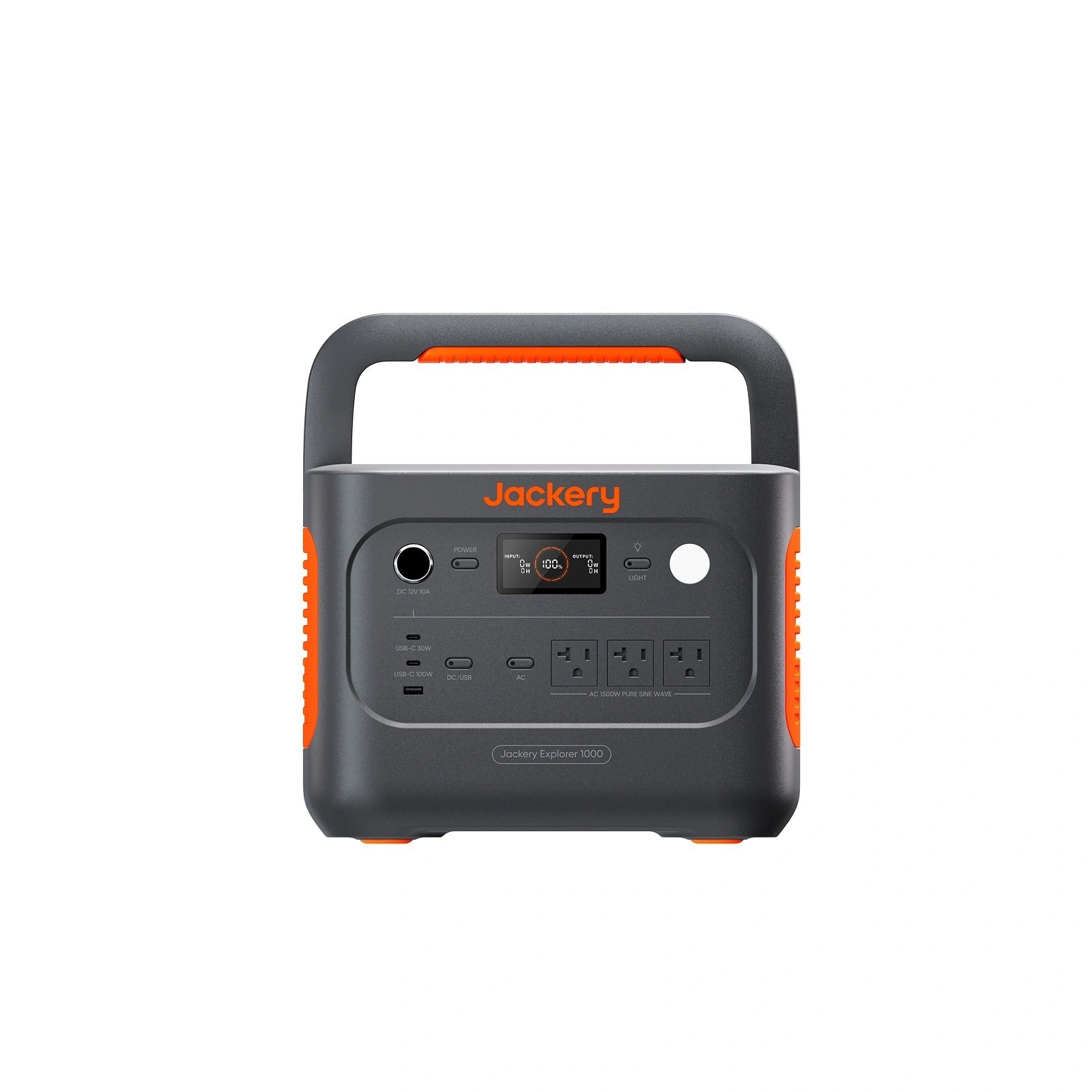
Jackery’s camping reputation is “simple and carryable.” The Explorer 1000 v2 is the 2026 reference unit: 1,070 Wh LiFePO4, 1,500 W / 3,000 W surge, 23.8 lb, 400 W solar, 4,000 cycles to 70%+. Standard wall 1.58 hr; Emergency Super Charge ~59 min–1 hr. Not expandable.
Older Jackery NMC packs are largely obsolete for new buys — prefer v2 / LFP SKUs.
EcoFlow — DELTA 3 (camping workhorse) + RIVER class (ultralight)
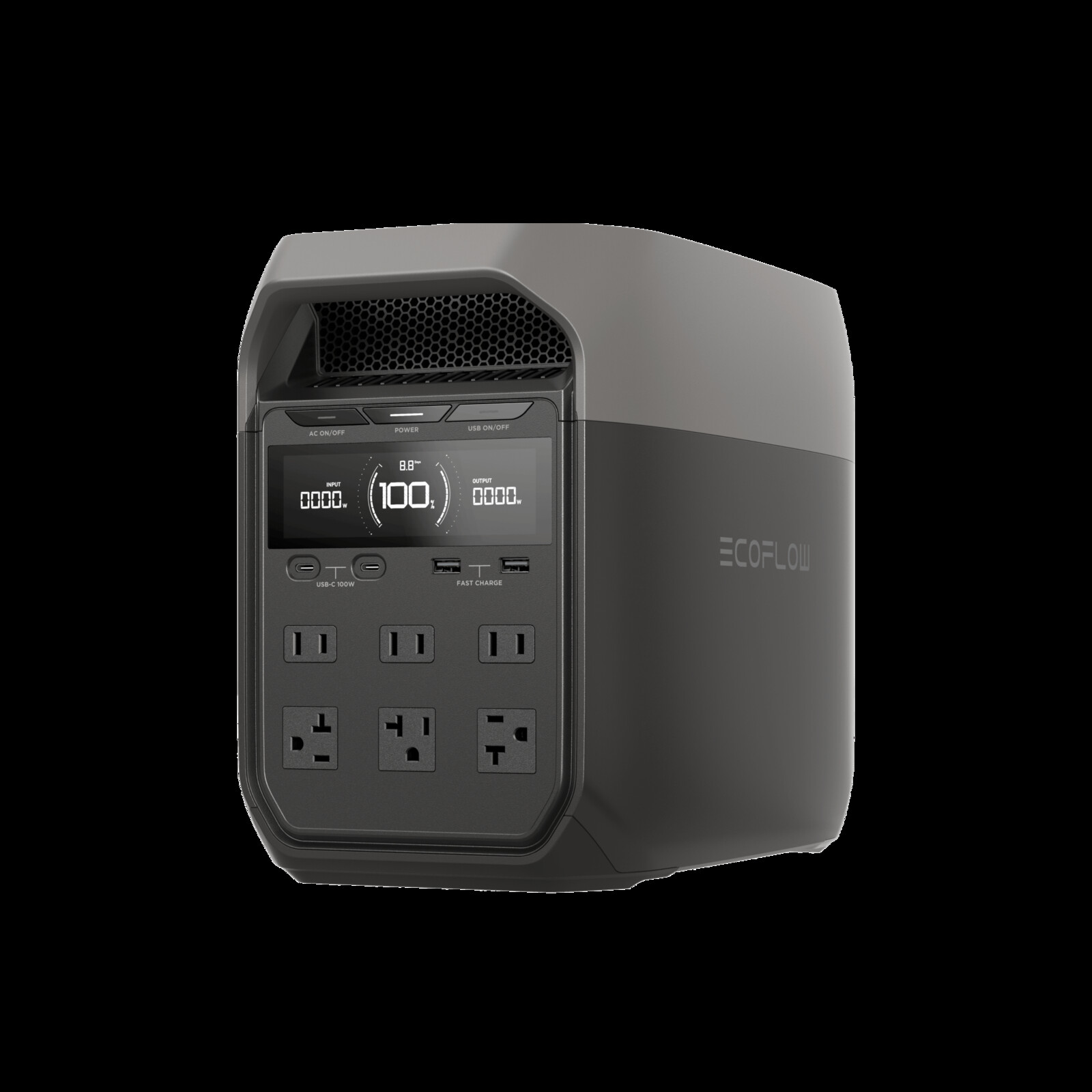
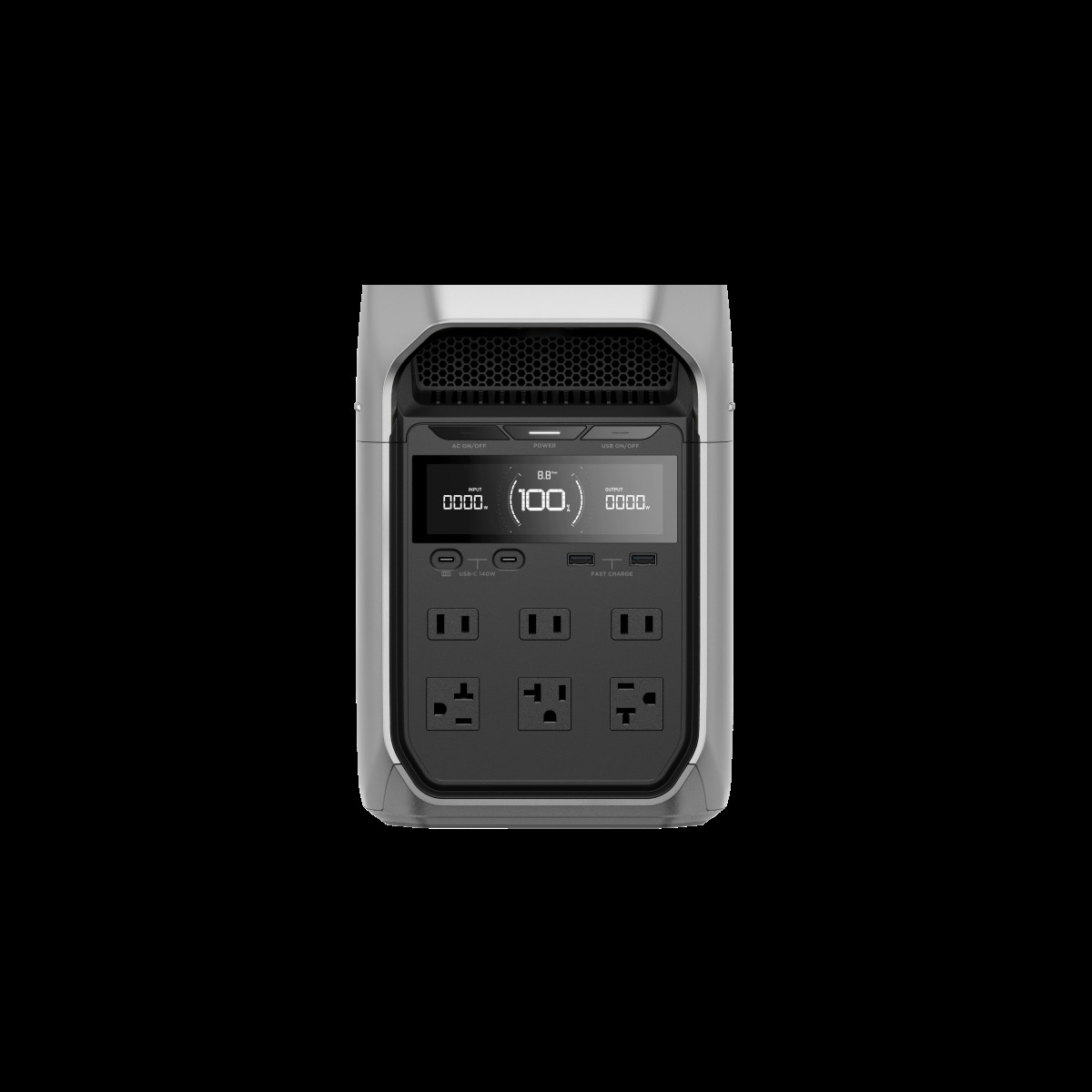
EcoFlow wins on charge speed and inverter aggression. DELTA 3: 1,024 Wh, 1,800 W / 3,600 W surge (X-Boost 2,200 W), 27.6 lb, 500 W solar, 56 min 0–100% wall, 4,000 cycles to 80%+, expandable to 5 kWh. DELTA 3 Plus is the same tank/weight/output with 1,000 W dual-MPPT solar (~70 min solar full) and 140 W USB-C — worth it if you run two panels.
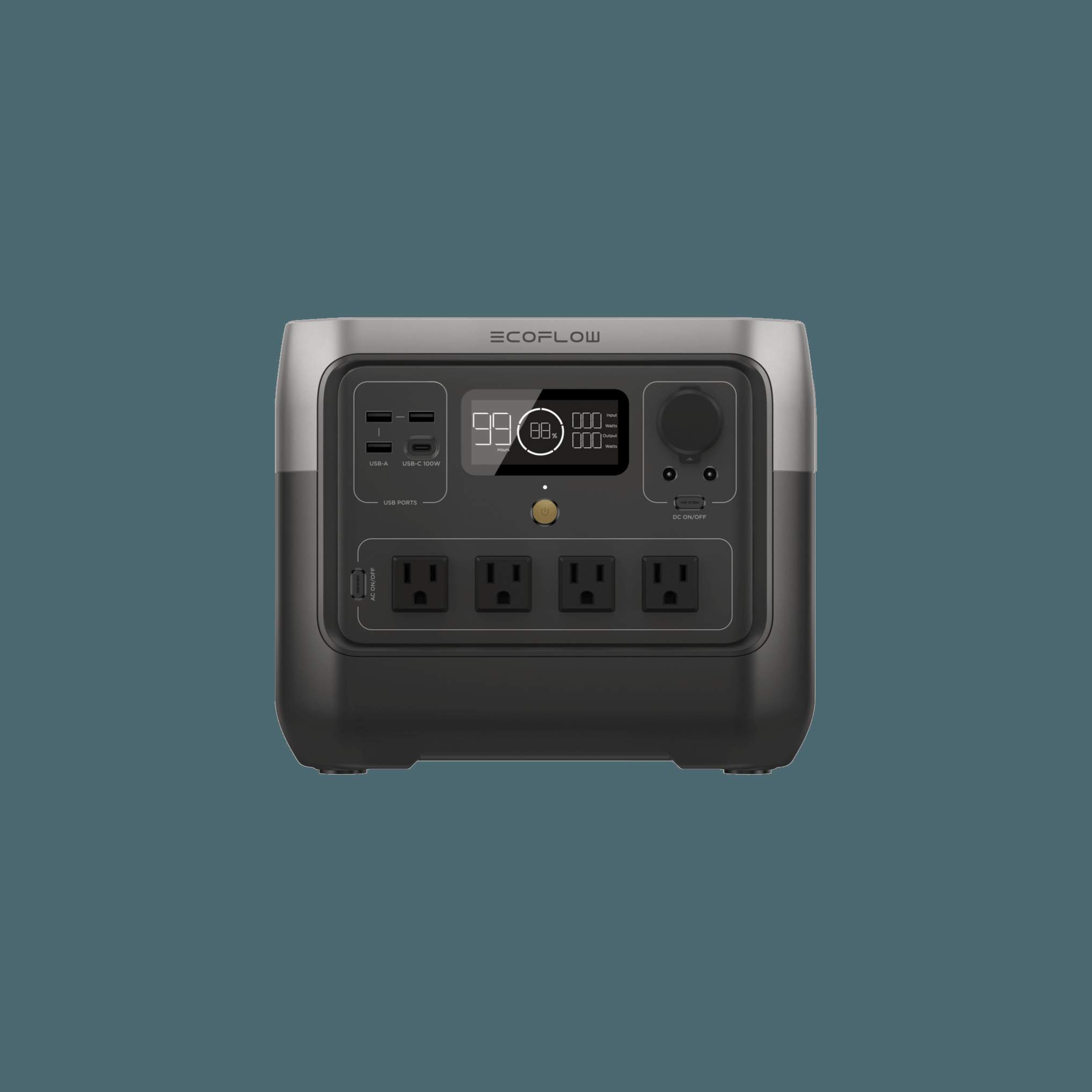
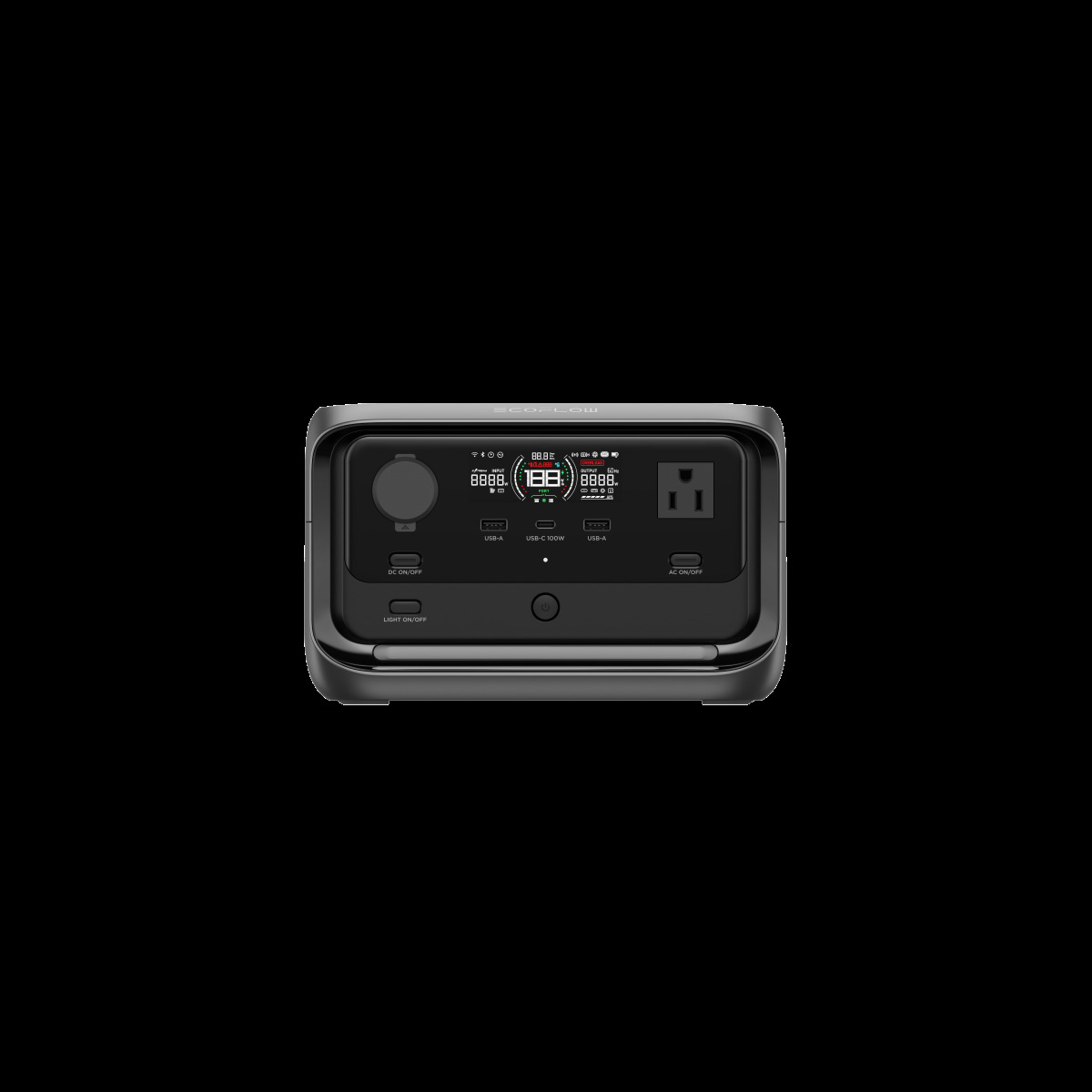
RIVER 2 Pro (768 Wh, 800 W / 1,600 W X-Boost, 18.2 lb, 220 W solar) / RIVER 3 (245 Wh, 300 W, 7.8 lb) is the backpack-adjacent option for light loads — not a fridge-for-48-hours machine.
Bluetti — AC180 (value hammer)
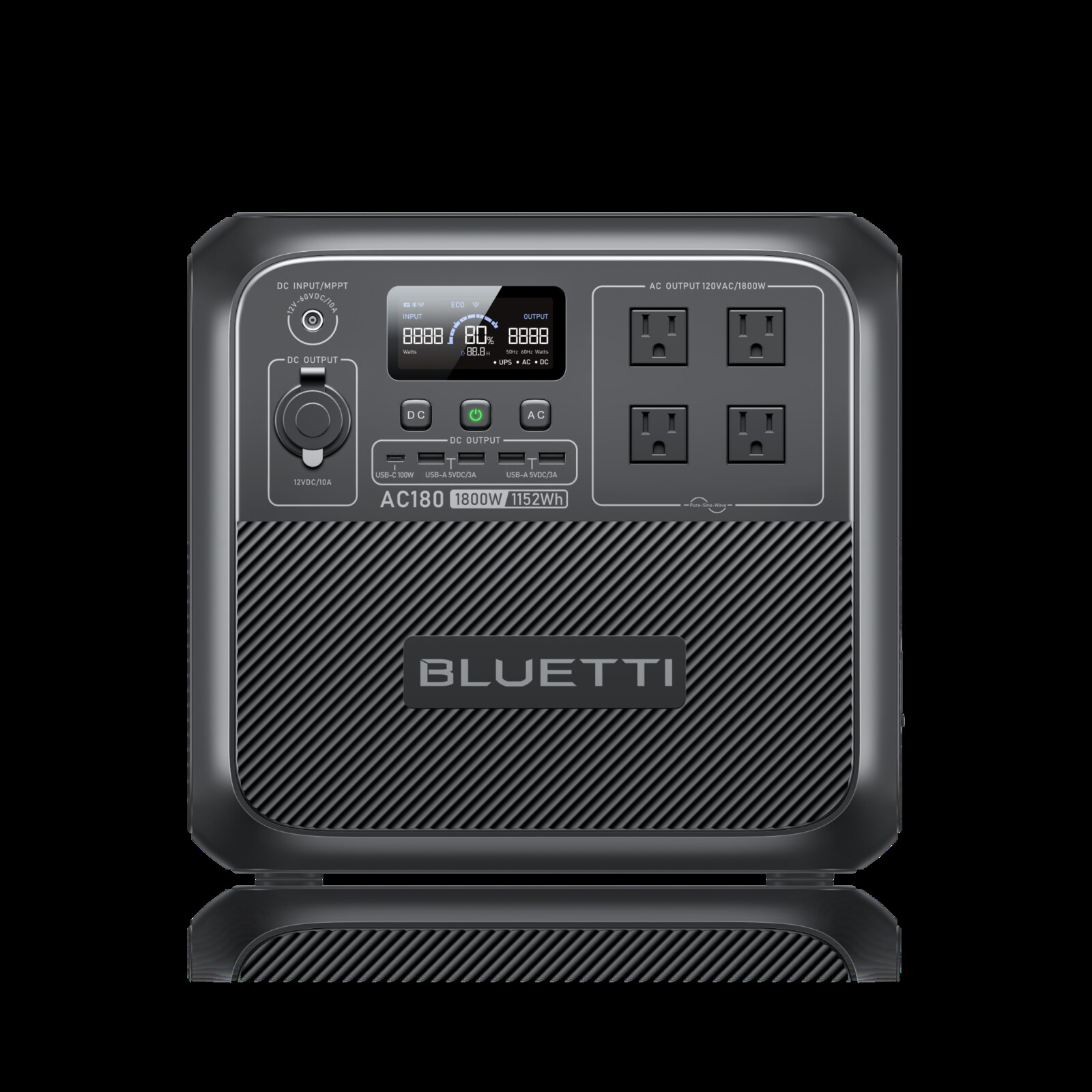
AC180 brings 1,152 Wh, 1,800 W / 2,700 W Power Lifting, dense ports (incl. 15 W wireless pad), LiFePO4 3,500+ cycles to 80%, 500 W solar, turbo wall 1.3–1.8 hr (0–80% in 45 min) — at a street price that often undercuts Jackery and EcoFlow (~$450–$500). Trade-off: 35.3 lb. No native extra-battery expansion.
For bigger group camps, Bluetti’s AC200-class appears when budgets allow; it is usually above the “first weekend kit” price.
Spec comparison (camping-relevant)
| Spec | Jackery 1000 v2 | EcoFlow DELTA 3 | Bluetti AC180 |
|---|---|---|---|
| Capacity | 1,070 Wh | 1,024 Wh | 1,152 Wh |
| AC continuous | 1,500 W | 1,800 W (X-Boost 2,200) | 1,800 W |
| Surge / lifting | 3,000 W | 3,600 W | 2,700 W |
| Weight | 23.8 lb | 27.6 lb | 35.3 lb |
| Wall 0–100% | ~1 hr Emergency / 1.58 hr | 56 min | 1.3–1.8 hr turbo |
| Max solar | 400 W | 500 W (Plus 1,000 W) | 500 W |
| Expandable | No | Yes → 5 kWh | No |
| Street (Sep 2026) | ~$499–$559 | ~$599–$699 | ~$450–$500 |
| Camping feel | Easiest carry | Most flexible | Most Wh/$ |
Jackery Explorer 1000 v2 · EcoFlow DELTA 3 · Bluetti AC180
Round 1: Portability at the trailhead parking lot
Winner: Jackery Explorer 1000 v2
Camping power fails when the unit lives in the garage. At 23.8 lb, the 1000 v2 is the one couples and solo campers keep packing. EcoFlow DELTA 3 at 27.6 lb is still manageable; Bluetti AC180 at 35.3 lb is fine if you accept two-handed lifts and a dedicated spot in the trunk.
If you only walk 50 feet from car to picnic table, Bluetti’s extra Wh may beat Jackery’s weight savings. If you move camp twice a weekend or store the unit in a roof box, Jackery’s edge compounds.
EcoFlow note: RIVER-class units crush everyone on weight for day trips — they just cannot fake a 1 kWh tank.
Round 2: Keeping a 12V fridge alive all weekend
Winner: Bluetti AC180 (capacity) / tie EcoFlow if you mid-trip wall or fast solar charge
Fridge duty is about Wh + average draw, not peak marketing watts. On paper:
- AC180’s extra 82 Wh vs Jackery 1000 v2 (1,152 vs 1,070) and 128 Wh vs DELTA 3 (1,024) is real margin for a hot afternoon
- EcoFlow’s advantage is refilling faster at a campground outlet or with higher sustained input
- Jackery has enough for many fridge weekends if you are disciplined about other loads
Practical advice: run the fridge on 12V when the station supports efficient DC, keep the box shaded, and pre-chill food at home. That beats buying 500 Wh you will never use.
For CPAP-class overnight loads alongside a fridge, add the device’s labeled watts × hours (humidifier included if you use it), then add headroom. Confirm setup with your equipment manufacturer.
Round 3: Recharge between Saturday and Sunday
Winner: EcoFlow (usually), with Anker as the external spoiler
EcoFlow built its name on wall charge times that feel like cheating (DELTA 3 / 3 Plus: 56 min 0–100%). If your weekend includes a shower building with an outlet — or a van alternator + DC-DC later — EcoFlow recovers faster. Jackery 1000 v2 is respectable (1.58 hr standard; ~1 hr Emergency Super Charge). Bluetti AC180 is fine (1.3–1.8 hr turbo, 0–80% in 45 min); it rarely wins a pure 0–100% contest. Anker SOLIX C1000 Gen 2 (49 min UltraFast) is the external spoiler.
Solar recovery: Compare max solar input and connector drama. DELTA 3 and AC180 accept 500 W; DELTA 3 Plus takes 1,000 W (dual 500 W MPPT, ~70 min full). Jackery 1000 v2 is 400 W. In practice, one good 200 W panel is the limiting factor more often than the station’s ceiling — until you run dual panels.
Jackery SolarSaga 100W/200W · EcoFlow foldable solar · Bluetti PV panels
Round 4: Ports, UX, and camp-table clutter
Winner: situational — EcoFlow / Bluetti for density; Jackery for simplicity
- Jackery: Fewer surprises. Fine for fridge + USB + one AC device.
- EcoFlow: Port selection and app telemetry are excellent when multiple people charge laptops and cameras at once.
- Bluetti AC180: High port count; some units include a wireless pad — nice for a phone, irrelevant for a fridge.
Noise: all three use fans under load. Expect audible cooling when inverters work hard; place the unit away from the tent vestibule if you are sensitive.
Round 5: Longevity and “buy once” risk
All three primaries above are LiFePO4 with multi-thousand cycle marketing. For weekend use (50–100 cycles/year), calendar aging and abuse matter more than hitting the cycle rating. Treat any of them as multi-year tools if you avoid heat-soaking them in a closed car in July.
Expandability: EcoFlow wins if your “weekend” hobby is secretly becoming van life. Jackery and many Bluetti mid units are more “buy the right size the first time.”
Brand-by-brand camping verdicts
Choose Jackery if…
- You prioritize carry weight and a clean, simple interface
- Your loads are fridge-light or fridge + devices for 1–2 nights
- You like the SolarSaga accessory path and frequent retail deals
Primary CTA: Jackery Explorer 1000 v2 Bundle idea: Jackery 1000 v2 + SolarSaga 200W
Honest cons: Less AC headroom (1,500 W vs 1,800 W peers); no expansion; 400 W solar cap.
Choose EcoFlow if…
- You want fast wall recharge, higher continuous watts, and optional expansion
- Multiple people will charge laptops/cameras while a fridge runs
- You might grow into van life without replacing the whole system
Primary CTA: EcoFlow DELTA 3 · EcoFlow DELTA 3 Plus Light loads CTA: EcoFlow RIVER 2 Pro · EcoFlow RIVER 3
Honest cons: Easy to overspend on extras (extra battery kits jump over $1k); 27.6 lb sits above Jackery’s 23.8 lb; interface complexity is real. Confirm live ship/stock — EcoFlow US sometimes flags pre-order.
Choose Bluetti if…
- You want maximum Wh and AC watts per dollar
- The unit lives in a vehicle and weight is secondary
- You like dense ports and frequent street discounts on AC180-class SKUs
Primary CTA: Bluetti AC180 Step-up (budget allowing): Bluetti AC200L
Honest cons: Heaviest of the three (35.3 lb); turbo wall 1.3–1.8 hr is not 49–56 min class; no native expansion; bulkier in small hatchbacks.
Sample weekend load plans
Plan A — Couple, compressor fridge, phones, lights
- Pick: Jackery Explorer 1000 v2 or Bluetti AC180
- Why: ~1 kWh is the right tank; Jackery if carry matters, Bluetti if heat/fridge duty is aggressive
- Solar: Optional 200 W panel for Sunday recovery
Plan B — Family campground with outlet access mid-stay
- Pick: EcoFlow DELTA 3
- Why: Dump power into the box during showers/laundry; higher AC headroom for kettle mistakes
Plan C — Walk-in / light kit, no fridge
- Pick: EcoFlow RIVER class or similar ~250–800 Wh unit
- Why: Do not buy a 35 lb AC180 to charge phones
Plan D — Fridge + overnight CPAP-class device
- Size from labels, not vibes. Add fridge average Wh + device Wh × hours + 20–30% buffer.
- Often lands in 1 kWh+ territory; consider DC cable options per manufacturer guidance.
- No medical claims — confirm with your device maker.
Jackery vs EcoFlow vs Bluetti: decision tree
- Must stay under ~25 lb? → Jackery 1000 v2 (23.8 lb)
- Need expandability or fastest top-ups? → EcoFlow Delta class
- Need max Wh/$ and OK with 35.3 lb? → Bluetti AC180
- No fridge, minimal kit? → EcoFlow River class (or Jackery 300-class)
- Still unsure? → Start with Jackery 1000 v2; it is the least regretful camping default in 2026 for most car campers
Buying criteria recap (same standards as our under-$1k guide)
When you compare these three at checkout, ignore the word “solar generator” and score:
- Wh for your fridge + devices math
- Continuous + surge watts for the hungriest AC load
- LiFePO4 (all three primaries here qualify)
- Ports you will use the same hour
- Weight you will actually carry twice
- Wall + solar recharge realistic for your campsites
If a SKU fails the weight test or the Wh math, it is not a deal — it is garage ballast.
FAQ
Is EcoFlow better than Jackery for camping?
Better at charging speed and output; not automatically better at being carried. Match the brand to the bottleneck you feel.
Is Bluetti reliable enough vs Jackery?
For LFP mid-range units, treat build quality as “good enough” across these three and decide on weight, price, and ports. Read recent firmware/app complaints for the exact SKU before buying.
Do I need a solar panel for a two-night trip?
Not if you leave home at 100% and your Wh math closes. Panels shine on longer trips or when you cannot wall-charge.
Can these replace a gas generator at a group site?
For quiet fridge/device loads, yes. For electric skillets, heaters, and big tools all at once, maybe not — check continuous watts and be honest about surge.
What about Anker SOLIX?
Anker’s SOLIX C1000 Gen 2 is an excellent fourth option: 1,024 Wh, 2,000 W / 3,000 W, 24.9 lb, 600 W solar, 49 min UltraFast, not expandable, typical street ~$430–$530. We kept this article to the three brands in the title; see our under-$1,000 roundup for Anker side-by-side. Anker SOLIX C1000 Gen 2
Jackery Explorer 1000 v2 vs Bluetti AC180 — which for one cooler and two phones?
Jackery if you move the unit often; Bluetti if the unit stays in the vehicle and you want extra Wh margin in hot weather.
Bottom line
- Default weekend camper: Jackery Explorer 1000 v2
- Speed + future expansion: EcoFlow DELTA 3
- Value capacity king: Bluetti AC180
- Ultralight / no fridge: EcoFlow RIVER 3
Continue with: Best portable power stations under $1,000 · Best power station for van life · How many Wh for fridge + Wi‑Fi + CPAP
Specs verified against manufacturer pages 5 Sep 2026; street prices sampled the same day.

 WattList
Leave a comment